
Car Theft Defense in Scranton
More Than 30 Years of Legal Experience Behind Your Defense
A vehicle-related accusation doesn’t necessarily mean prosecutors can prove car theft. Pennsylvania law distinguishes between taking an automobile with intent to deprive its owner and operating a vehicle without the owner’s consent. The appropriate charge may turn on permission, access to the keys, the purpose and duration of the use, and the accused person’s alleged intent.
We provide criminal defense representation for people facing felony and misdemeanor charges in Scranton and Lackawanna County. We can review the criminal complaint, explain what the Commonwealth must prove, and identify issues that require attention before a hearing or police interview.
Request a free initial consultation with Rogan Law by calling (570) 906-8532. We can discuss the allegation, upcoming court dates, and your next legal step.
Car Theft & Unauthorized Use Are Different Charges
Under 18 Pa.C.S. § 3921, theft by unlawful taking or disposition involves unlawfully taking or exercising control over another person’s movable property with intent to deprive that person of it. Deprivation can include withholding property permanently or long enough that the owner loses a major part of its value or benefit. Pennsylvania’s grading rules generally classify theft of an automobile or another motor-propelled vehicle as a third-degree felony.
Unauthorized use of a motor vehicle under 18 Pa.C.S. § 3928 focuses on operating another person’s automobile or motor-propelled vehicle without consent. The offense is generally a second-degree misdemeanor. The statute also recognizes a defense when the accused person reasonably believed the owner would have consented to the operation.
Facts that may determine which charge applies include:
- Owner consent: Whether permission was express, implied, limited, or withdrawn
- Purpose of the use: Whether the vehicle was allegedly borrowed temporarily or taken with intent to deprive the owner
- Access to the vehicle: Whether the accused had keys, shared access, employment-related access, or prior permission
- Actual operation: Whether evidence shows the accused drove the vehicle rather than merely being near or inside it
- Possession after the taking: Whether someone else allegedly took the vehicle before it came into the accused person’s possession
The offense listed in a criminal complaint doesn’t establish guilt. The Commonwealth still must prove every required element beyond a reasonable doubt.
Evidence & Consequences That May Shape Your Case
Potential consequences depend on the charged statute, offense grade, prior record, sentencing rules, and any additional counts filed with the vehicle allegation. A case may also involve bail or release conditions, restitution, probation exposure, and practical concerns related to employment or driving responsibilities.
Our review may examine:
- Text messages, calls, and other communications about permission
- Witness accounts and statements attributed to the accused
- Surveillance footage, location data, and identification evidence
- Vehicle ownership records, keys, condition, and recovery location
- Rental, workplace, family, or shared-use arrangements
- Police reports, search records, and interrogation details
Statements to investigators or potential witnesses can become evidence. You don’t have to explain the situation to police before speaking with counsel. Trying to resolve a dispute over permission informally could create additional evidence or complications.
How We Review Vehicle-Related Allegations
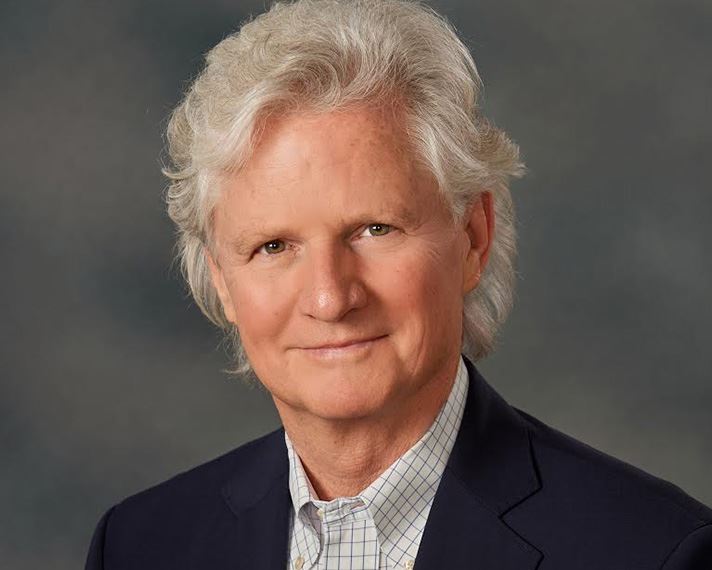
Attorney Patrick Rogan leads our criminal defense work. We begin with the charging documents, available evidence, procedural history, and the client’s account rather than assuming every vehicle allegation arose under the same circumstances.
Depending on the facts, we may examine whether the owner gave permission, whether the accused reasonably believed consent existed, and whether prosecutors can establish criminal intent. Other issues may include mistaken identity, unreliable witness accounts, disputed possession, or insufficient proof that the accused operated the vehicle.
When relevant, we can also examine how police obtained statements or physical evidence. The legality of a search, seizure, interrogation, or identification procedure depends on the circumstances. Any defense strategy must account for the actual evidence and procedural history.
Handling Vehicle Charges in Scranton & Lackawanna County
A vehicle-related case may begin in a magisterial district court and proceed to the Lackawanna County Court of Common Pleas, depending on the charge and procedural stage. The next steps may include a preliminary hearing, discovery, plea discussions, motion practice, or trial preparation.
We serve clients in Scranton, Lackawanna County, and surrounding Pennsylvania communities. Our personalized service focuses on the specific allegation, release conditions, scheduled proceedings, and immediate concerns in each case.
Discuss Your Charge Before the Next Court Date
Contact us promptly if you’ve been arrested, approached by investigators, released with conditions, or ordered to appear in court. We can explain the named charge, assess the immediate issues, and help you understand the next stage of the criminal process.
Preserve relevant messages, documents, photographs, and vehicle records without altering them. We’re available 24/7 for criminal defense matters, so you can address an urgent concern without waiting for standard business hours.
Call Rogan Law at (570) 906-8532 to discuss your car theft or unauthorized use of a motor vehicle allegation.

Why Choose Rogan Law?
We Put You & Your Interests First
-
Thousands of Cases Handled
-
Free & Confidential Consultations
-
Over 30 Years of Legal Experience
-
Available 24/7 for Your Case Needs
-
Personalized Service Focused on Results
-
Hablamos Español


-
 Super Lawyers 2022
 -
Million Dollar Advocates Forum
-
Trucking Top 10 Trial Lawyers 2024
-
Avvo 10.0
-
Trial Lawyers of America
-
AAJ
-
Martindale Hubbell
-
The United States Third Circuit Court of Appeals
.2201101247209.png "Super Lawyers 2022")


.2011231241574.png "Martindale Hubbell")

-
Areas We Serve
-
Hablamos Español
-
Video Center